Interglacial, a solo exhibition by Vancouver-based environmental artist Desirée Patterson, focuses on the present as a critical moment in deep history, one in which the global climate crisis puts the future well-being of our planet, and all the living beings it hosts, in the balance.
Crucial to the regeneration of our planet, ice ages are expansive cycles of geologic time, in which ice proliferates over the surfaces of the Earth. In our present interglacial, a warmer period defined by the end of one ice age and the beginning of the next, we are faced with the haunting possibility that our planet may never experience another ice age.
Glaciers and forests, both key features of the natural environment of British Columbia and Canada, are endangered ecosystems rendered fragile and interdependent in the face of the ongoing global climate crisis. Some such landscapes might feel geographically and emotionally distant, while others eerily familiar; yet their vitality is essential to us all. Patterson invites us to immerse ourselves in their beauty, admire their capacity for survival or even regeneration, and develop or deepen our commitment to their stewardship.
The centrepiece of the exhibition is Still in Place, a monumental installation inspired by Place Glacier in the Coast Mountains, one of British Columbia’s approximately 12,000 glaciers projected to vanish by the end of this century. More than 2,000 sq. ft of textile cyanotypes—which Patterson exposed directly on glacial surfaces—will echo the contours of Place Glacier and the adjacent mountain ridge in a multisensory experience incorporating form, colour, light, and a soundscape.
Interglacial is the culmination of Patterson’s year-long affiliation, as Artist in Residence, with the UN International Year of Glaciers’ Preservation. From her participation in this initiative emerged a series of partnerships with leading Canadian environmental scientists. Informed by these collaborations, Patterson has created five ambitious new bodies of work that translate complex environmental scientific evidence, data, and methods into multisensory experiences aiming to champion science as the most viable source of climate hope. Lens-based and lensless photographic imagery is transformed into architecturally scaled sculptures and immersive installations that transport us to remote natural environments calling for our care.
Desirée Patterson is a Vancouver-based artist whose multidisciplinary practice is rooted deeply in the discipline of photography. Born and raised in BC’s Lower Mainland, her aesthetic vision is closely tied to the province’s mountainous and glacial landscapes, explored through independent research and scientific collaboration. Her ecological consciousness, so central to her practice, has been shaped by solo travels to more than forty countries. Fluent in lens-based and lensless processes, Patterson develops immersive projects that engage with photography, field expeditions, and ecological data to produce captivating sensory experiences. She is drawn to art’s capacity to bridge research and public imagination, extending photography beyond representation into installation and lived encounter.
Her work has been shown in numerous exhibitions, including, most recently, the solo exhibition Anomaly (2023) at Ferry Building Gallery and the group exhibitions Tip of the Iceberg (2021) at Two Rivers Gallery; the Emerge 10th Anniversary Exhibition (2024–25) at The Reach; and Unbound | Part II: CICA Vancouver x Jelina Couture 2024 International Art Awards Exhibition (2025) at the Centre of International Contemporary Art, Vancouver. Over the last decade, major public art projects by Patterson have been commissioned by TransLink (Anthropocene: the Present I, 2019), BC Children’s Hospital (Fauna, 2016), the City of Richmond (Visions of Biophilia, 2024) and the City of Abbotsford (Unus cum Viribus Duorum, forthcoming 2026), among others.
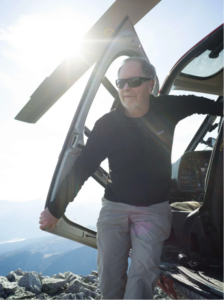
 |
Dr. Laura Chasmer is an Associate Professor in the Department of Geography and Environment at the University of Western Ontario and was previously an Alberta Innovates Research Fellow. She uses geospatial, hydro-meteorological, and field data to better understand Boreal wetland, forest, and discontinuous permafrost changes within natural and disturbed environments, examining environmental processes that both influence and are affected by these changes. She has led and co-authored more than 60 peer reviewed journal articles and proceedings papers. |
Photo courtesy of Laura Chasmer |
|
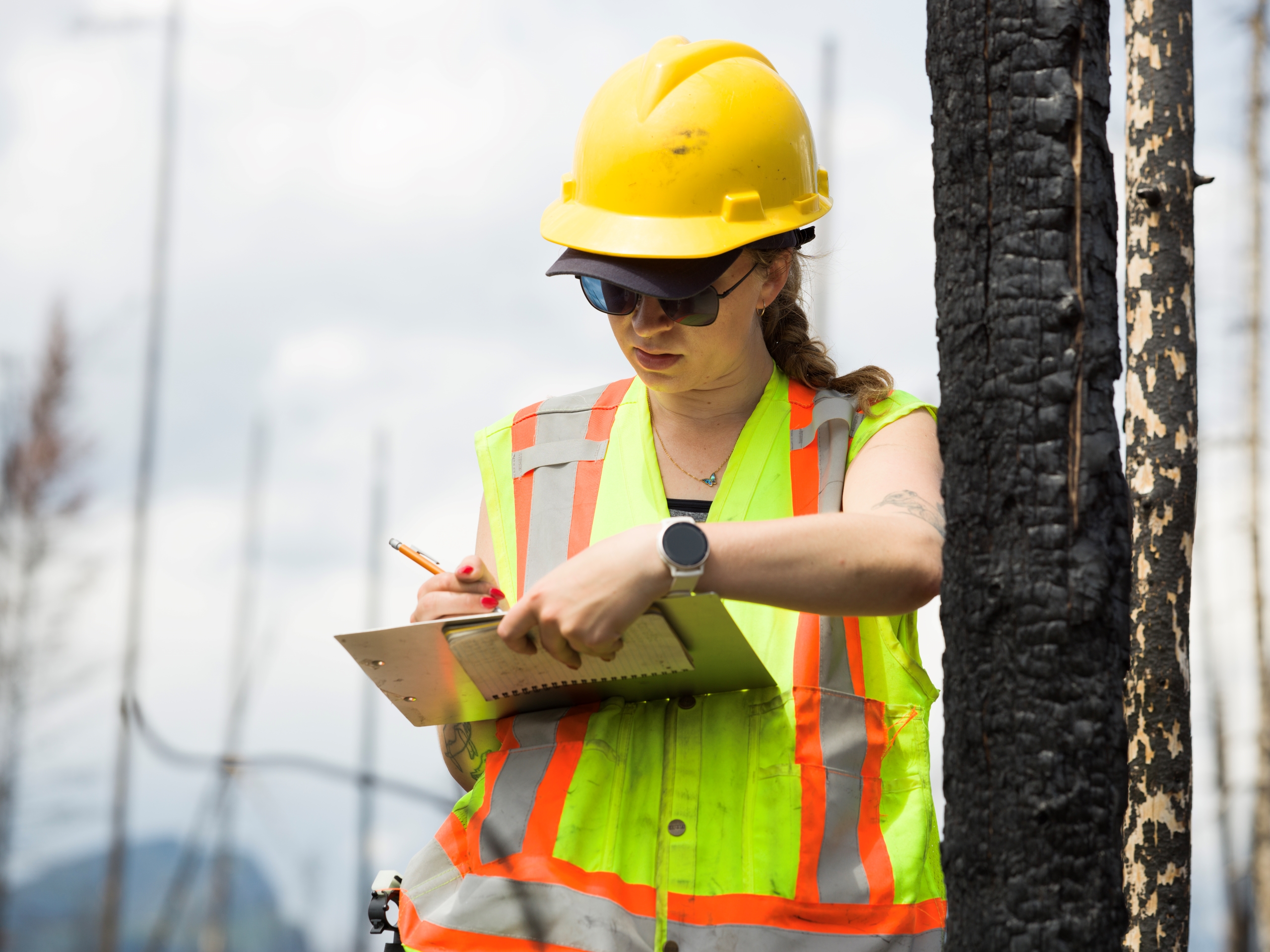
 |
Dr. Alison Criscitiello is an ice core scientist and high-altitude mountaineer. She is an Assistant Professor and the Director of the Canadian Ice Core Lab at University of Alberta, and co-founder of Girls on Ice Canada. Dr. Criscitiello explores the history of climate and sea ice in polar and high-alpine regions using ice core chemistry. Her work also focuses on environmental contaminant histories in ice cores from the Canadian high Arctic and the water towers of the Canadian Rockies. She has earned the Queen Elizabeth II’s Platinum Jubilee Medal, three American Alpine Club climbing awards, the John Lauchlan and Mugs Stump alpine climbing awards, and the 2025 Summit of Excellence Award from the Banff Centre in recognition of her contributions to Arctic science and the Canadian mountain community. |
Photo credit: Ben Girardi |
|
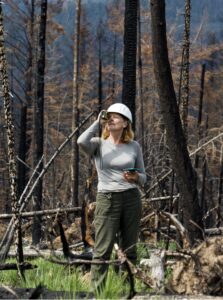 |
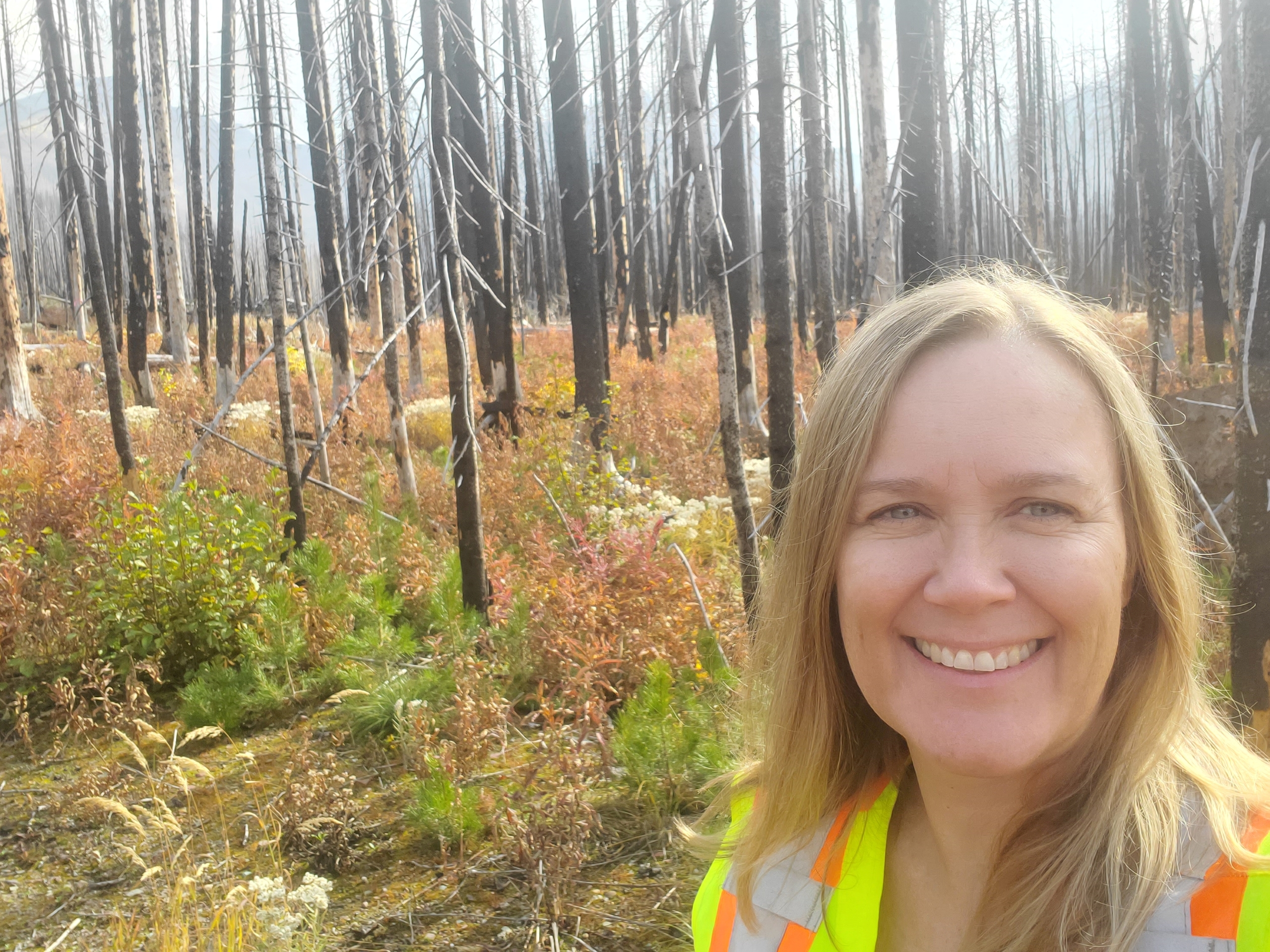
Dr. Lori Daniels holds the Koerner Chair in the Department of Forest and Conservation Sciences at UBC, where she co-directs the Centre for Wildfire Coexistence. Her research advances fundamental scientific knowledge on ecosystem dynamics, which is imperative for restoring and managing contemporary forests and adapting to global environmental change. Her research characterizes how wildfires, humans, and climate interact to drive forest dynamics and resilience. In February 2026, Dr. Daniels was featured in Vancouver Magazine’s Power 50 list “for steering us through the smoke, to the future.” |
Photo credit: Desirée Patterson |
|
|
|
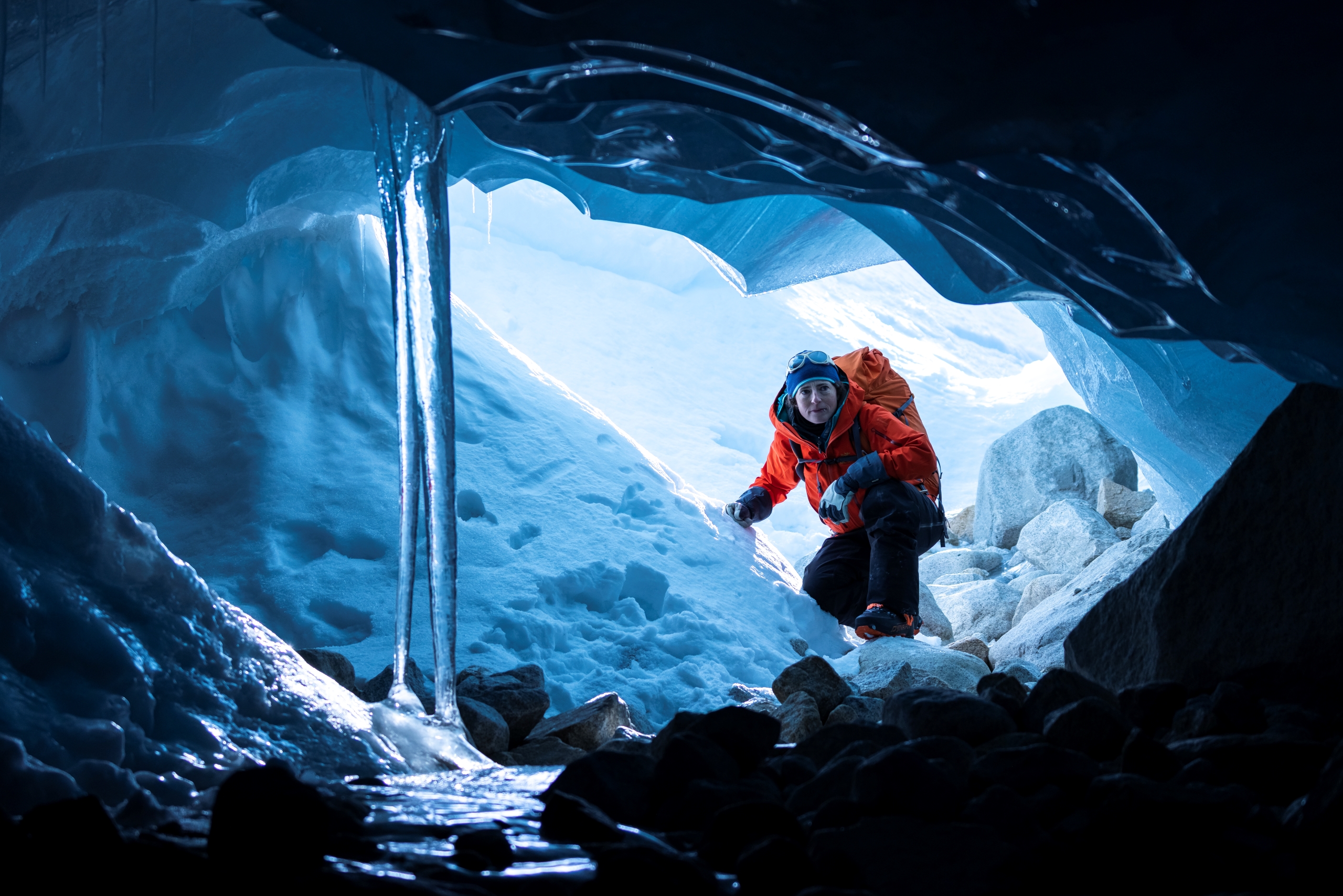
Dr. Eric Higgs is Professor of Environmental Studies at the University of Victoria (ranked 1st in Canada for Climate Action). He studies how we intervene responsibly in ecosystems undergoing rapid change. He founded and has, since 2006, directed the interdisciplinary field-based Mountain Legacy Project (MLP). This research project utilizes archival research, repeat photography, and scientific, historical, and cultural analyses of repeated historical survey photographs to assess landscape change in the Canadian Rocky Mountains over the last century. |
Photo credit: Desirée Patterson |
|
|
|
Natalie Krizan is an MSc Geography student at the University of Lethbridge, supervised by Dr. Laura Chasmer (Western University) and Dr. Raphaël Chavardès (NR-Can/RN-Can). Her MSc research relates to the impact of altered fuels on fire severity, and involves using lidar remote sensing to assess changes to the environment following the 2022 Chetamon Fire in Jasper National Park, Alberta. More generally, she is also interested in the human and social dimensions of fire and other ecological processes, as well as the importance of effective science communication. |
Photo credit: Desirée Patterson |
|
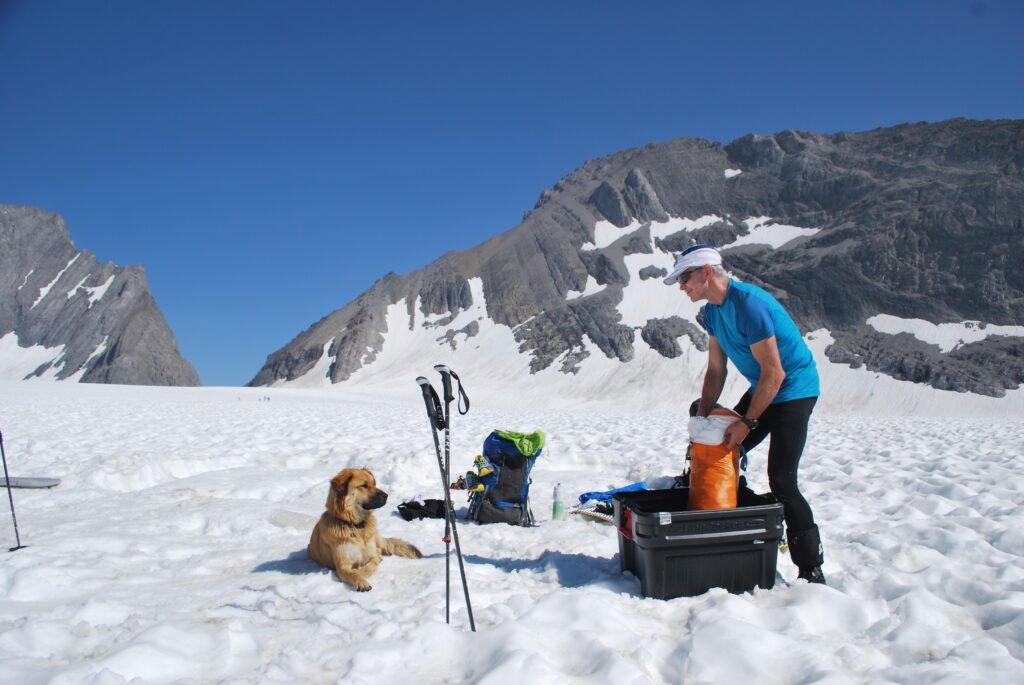 |
Dr. Shawn Marshall is a climatologist and glaciologist who held the Canada Research Chair in Climate Change at the University of Calgary (2007–17), where he taught for over 20 years. In 2019, Dr. Marshall became the first Departmental Science Advisor at Environment and Climate Change Canada (ECCC), a role created to strengthen the integration of science into governmental decision-making. He now serves as Chief Scientific Officer at ECCC. |
Photo courtesy of Shawn Marshall |
|
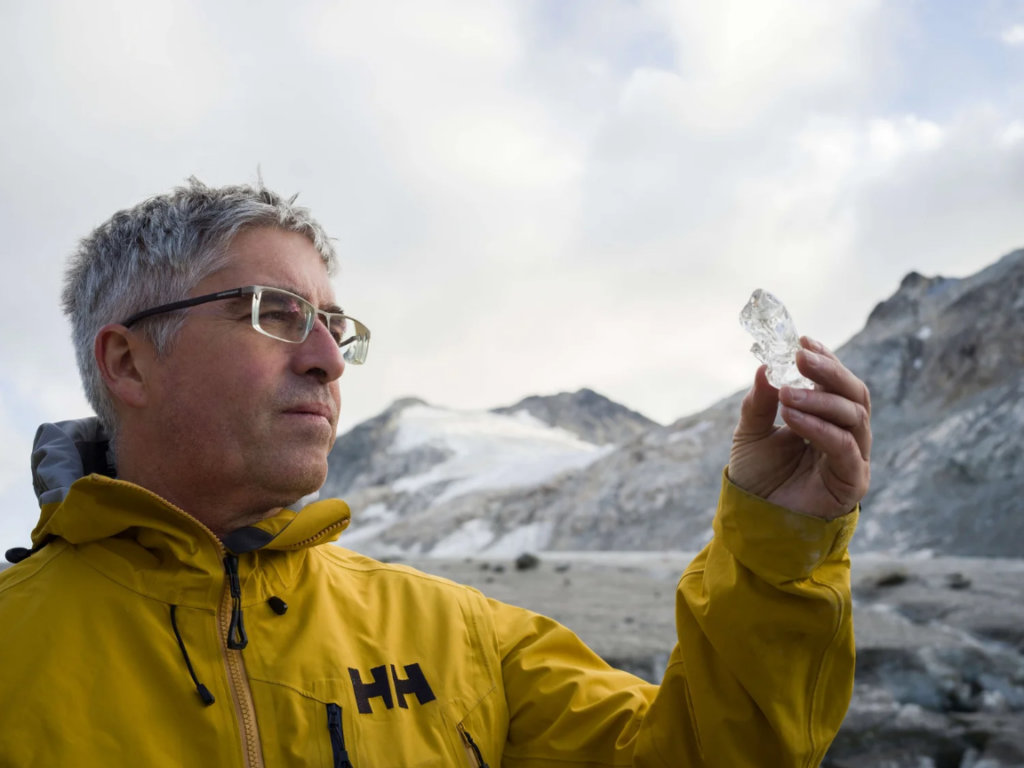 |
Dr. Brian Menounos is one of Canada’s leading glaciologists. He is Professor of Earth Sciences at the University of Northern British Columbia, former Canada Research Chair in Glacier Change, and Chief Scientist for the Hakai Institute’s Airborne Coastal Observatory. Fascinated with how Earth’s surface is affected by climate, his current research program centres around earth surface systems in three thematic areas linked to climate: Holocene glacier fluctuations, environmental reconstruction using proxies, and recent and future changes to the cryosphere. |
Photo credit: Desirée Patterson |
|
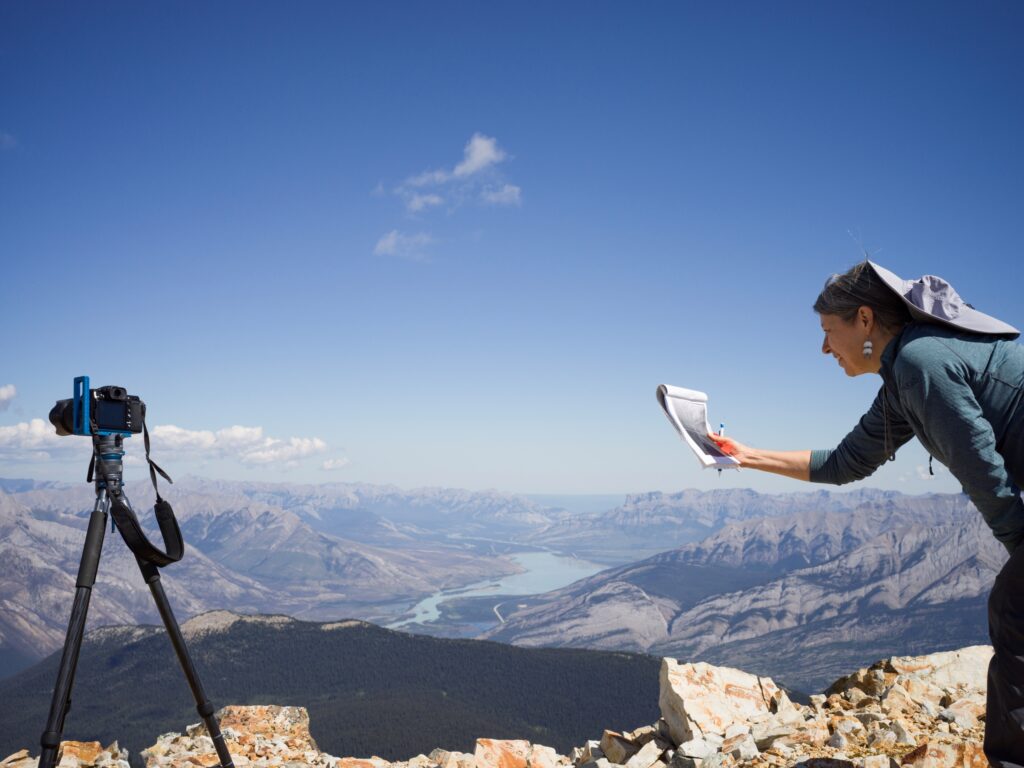 |
Dr. Jeanine Rhemtulla is an Associate Professor in the Department of Forest and Conservation Sciences in the Faculty of Forestry at UBC and a long-time Research Associate with the Mountain Legacy Project. Her research focuses on how to manage and restore multi-functional landscapes to maintain biodiversity and ecosystem function while providing for sustainable livelihoods. She collaborates with academics from many disciplines, as well as local communities and NGOs. |
Photo credit: Desirée Patterson |
|
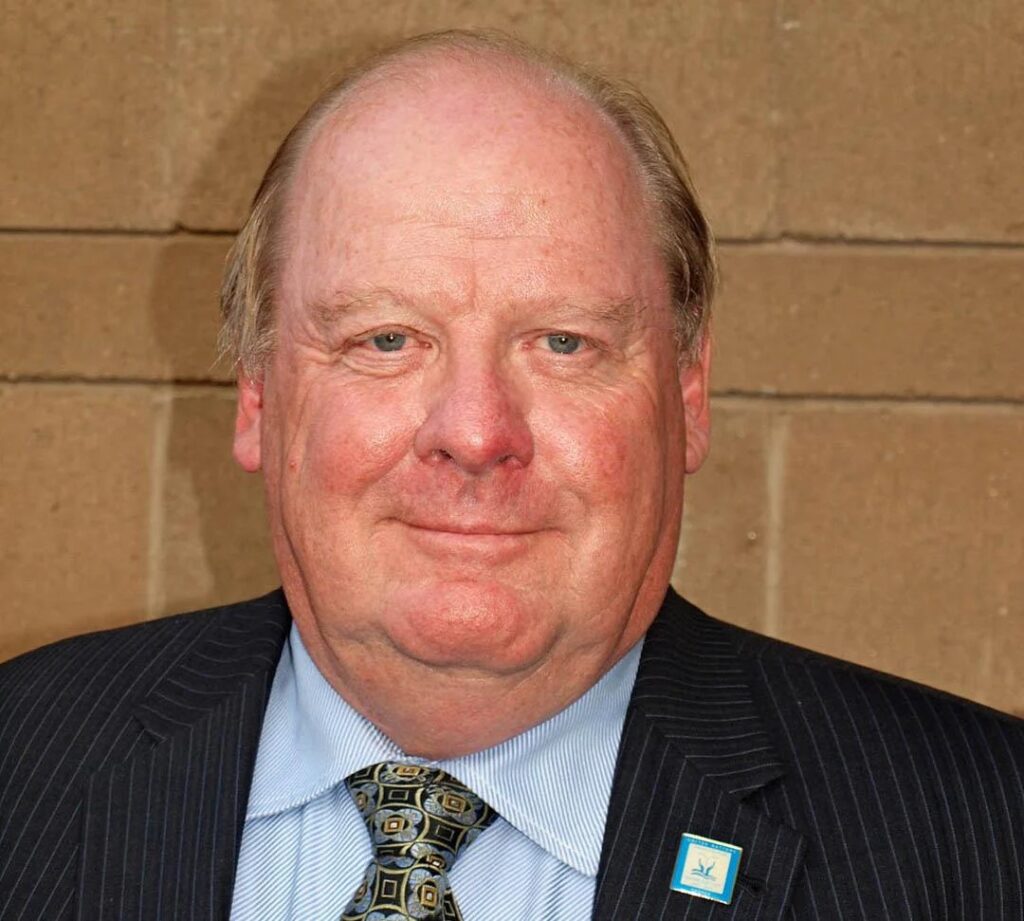 |
Robert Sandford serves as Senior Government Relations Advisor for Global Climate Emergency Response in United Nations University’s Institute for Water, Environment, and Health. He is the author of approximately 30 books on water security, climate, and the cryosphere, including Our Vanishing Glaciers: The Snows of Yesteryear and the Future Climate of the Mountain West (2017). In his role as co-chair of the UN’s International Year for Glaciers’ Presentation initiative in Canada (2025), he invited Patterson to join the team as Artist in Residence. |
Photo courtesy of Rocky Mountain Books |


Upcoming collateral programs
September 26: Holding still under Still in Place
October 3: A Gathering in Celebration of Interglacial
Interglacial in the media
Listen to Desirée Patterson interviewed by Margaret Gallagher on CBC Radio’s North by Northwest.
Vancouver artist Desirée Patterson’s new exhibition shares hope through climate science
Catch a glimpse of Patterson’s fieldwork at Place Glacier, where she created fabric cyanotypes for her monumental installation, Still in Place
Listen to the virtual panel, “The Long View: Repeat Photography in Science and Art,”
featuring visual ecologist and Interglacial scientific collaborator Dr. Eric Higgs (UVic) and visual artist and environmentalist Desirée Patterson in conversation with The Reach’s Curator of Art & Visual Culture, Kelley Tialiou